
How to Choose the Right Textile Embroidery Machine for Your Business in Surat

Table of Contents

Introduction

Surat has long been the beating heart of India’s textile industry, and if you run or plan to start an embroidery unit here, one decision will shape your production quality, turnaround time, and profitability more than any other the machine you invest in. Whether you are scaling up a small unit or setting up a new embroidery workshop, finding the right Textile Embroidery Machine Dealer in Surat is the first real step toward building a business that can keep up with the city’s fast-moving fashion and fabric demands. In this guide, we’ll walk through everything you should evaluate before making a purchase, so you can make an informed, confident decision.
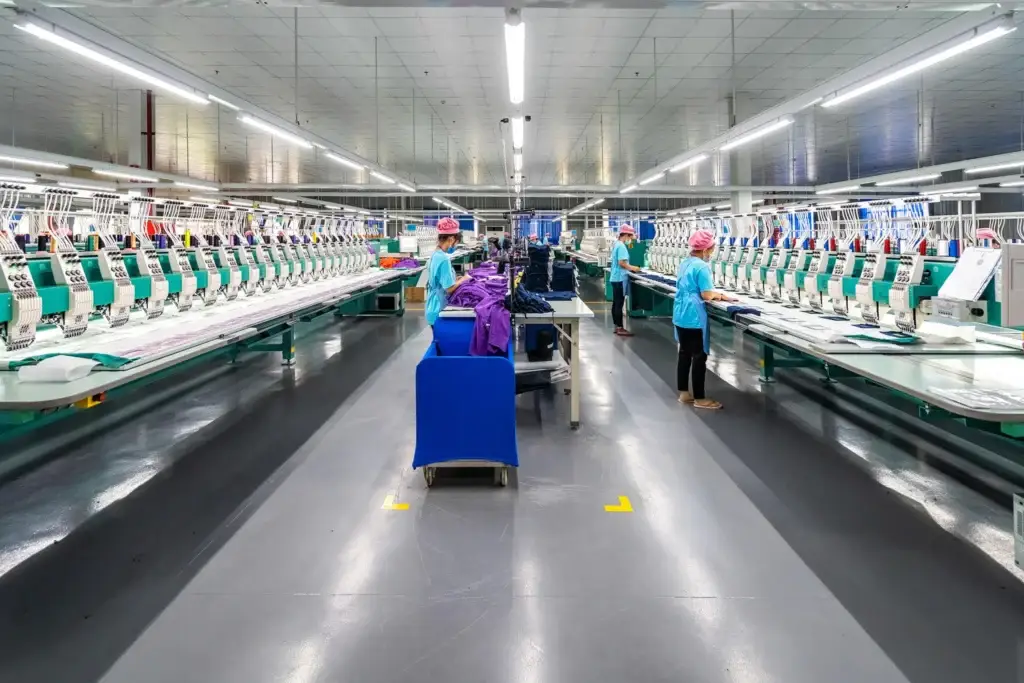
Textile Embroidery Machine Dealer in Surat

Understanding Your Embroidery Business Needs First

Before you even start browsing machines or comparing brands, it helps to take a step back and understand what your business actually needs. Many first-time buyers get overwhelmed by technical specifications without first mapping those specifications to their real production requirements. This is where a little planning saves a lot of money and regret later, and it’s also the stage where a conversation with an experienced textile embroidery machine dealer in Surat can help you avoid guesswork altogether.

Assessing Production Volume and Fabric Types

Start by thinking about how much work you actually process on a daily or weekly basis. A boutique doing intricate, low-volume custom orders has very different needs compared to a unit supplying embroidered fabric in bulk to wholesalers. Similarly, the type of fabric you work with sarees, suits, dress materials, dupattas, or home furnishings will influence the kind of embroidery head, needle configuration, and hooping system you need. Fine zari work on chiffon behaves very differently under the needle compared to heavier embroidery on cotton or silk blends. Mapping your typical order pattern against machine capability early on prevents costly mismatches down the line.

Budget Planning: Entry-Level vs. Mid-Range vs. Industrial Machines

Budgeting isn’t just about the upfront machine cost. Entry-level single-head machines are more affordable and suit small workshops or those just starting out, while mid-range multi-head machines strike a balance between cost and output for growing businesses. Industrial-grade machines, though a bigger investment, are built for high-volume, continuous production and often pay for themselves through efficiency gains over time. It’s worth factoring in installation costs, training, and future maintenance into your budget rather than looking only at the sticker price a good textile embroidery machine dealer in Surat will usually walk you through these cost projections before you finalize anything.

Types of Textile Embroidery Machines Available in the Market

Once you have clarity on your needs, it’s easier to understand which category of machine fits your business. The market offers several types, each suited to different production scales and design complexities. Single-head machines are ideal for small businesses or those doing sample and custom work, since they allow flexibility and easier design changes. Multi-head machines, on the other hand, are designed for bulk production, allowing multiple pieces to be embroidered simultaneously, a major advantage for units fulfilling large wholesale orders.

Computerized embroidery machines have largely replaced manual and semi-automatic setups in Surat’s textile clusters, thanks to their precision, repeatability, and ability to handle complex, digitized designs at speed. If your work extends beyond flat fabric embroidery to caps, sleeves, or curved surfaces, you’ll want to check whether the machine supports specialized attachments for those formats. Many manufacturers also offer add-on modules for sequin work, cording, and coiling, which can open up additional design possibilities and revenue streams without needing an entirely separate machine. A knowledgeable textile embroidery machine dealer in Surat can help you understand which of these configurations genuinely suits your product line, rather than upselling features you may never use.
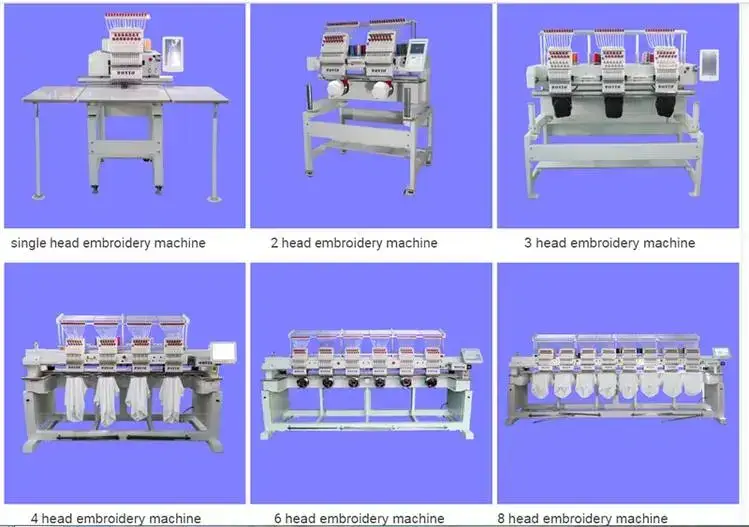
Types of Embroidery Machines

Key Technical Features to Evaluate Before Buying

Technical specifications can feel intimidating, but a few core features determine most of what matters in day-to-day operation. Getting familiar with these terms will help you ask sharper questions when you visit a dealer or supplier.

Needles, Heads, Speed, and Embroidery Field Size

The number of needles determines how many thread colours a machine can handle without manual changes, which directly affects design complexity and production speed. The number of heads determines how many pieces can be embroidered at once. Machine speed, measured in stitches per minute, has a direct bearing on how quickly you can turn around large orders though higher speed is only useful if stitch quality holds up at that pace. Embroidery field size, meanwhile, decides the maximum design dimensions you can work with, which matters a great deal if you regularly handle oversized motifs or all-over embroidery patterns.

Software Compatibility and Build Quality

A machine is only as good as the software running it. Check whether the machine supports widely used digitizing formats and whether the dealer offers training or support for design file conversion. Build quality is equally important machines from established manufacturers with a track record in Surat’s textile ecosystem tend to have better parts availability and longer operational life compared to lesser-known imports. It’s a good idea to ask about the machine’s typical lifespan under regular working conditions before committing, and a reliable textile embroidery machine dealer in Surat should be able to answer this candidly, based on real feedback from existing customers rather than marketing claims.

Why Local Sourcing Matters Benefits of Buying from a Textile Embroidery Machine Dealer in Surat

There’s a strong case for working with a local embroidery machine supplier in Surat rather than sourcing from distant cities or unfamiliar online sellers. When something goes wrong with a machine mid-production, the difference between a same-day service visit and a week-long wait can mean the difference between meeting a delivery deadline and losing a client. A local textile machine dealer in Surat understands the specific fabric types, order volumes, and seasonal demand patterns unique to the city’s textile hubs, which means their recommendations are grounded in real, local experience rather than generic sales pitches.

Buying locally also usually means better access to genuine machines with proper documentation, as opposed to grey-market imports that often lack warranty support or come with compromised components, a risk that’s far lower when you work with an established embroidery machinery supplier who has a reputation to protect in the local market. On-site installation and hands-on operator training are other advantages that come more easily when your dealer is nearby, something that becomes especially valuable if your team is new to computerized embroidery systems. This is precisely why so many established textile units in the city prefer working with a textile embroidery machine dealer in Surat rather than an out-of-state or purely online seller. If you’re exploring options, browsing through Hong Star’s embroidery machine range can give you a sense of what locally supported, industrial-grade machines look like in practice.

Questions to Ask Your Embroidery Machine Dealer

Walking into a showroom prepared with the right questions can save you from expensive surprises later. Ask clearly about warranty duration and what it covers, and whether an Annual Maintenance Contract is available once the warranty period ends this is often overlooked but becomes critical for long-term running costs. Request a live demonstration or trial run on your actual fabric samples rather than relying solely on brochure specifications, since real-world performance can vary from what’s advertised. It also helps to ask about financing or EMI options if you’re managing cash flow carefully, and to get a sense of the dealer’s track record by asking how long they’ve been supplying machines in the local market and whether they can share references from existing clients in similar businesses. These are the kinds of questions any established textile embroidery machine dealer in Surat should be comfortable answering in detail, without hesitation.

Common Mistakes Businesses Make While Choosing an Embroidery Machine

One of the most frequent mistakes new buyers make is overbuying capacity investing in a large multi-head industrial machine when current order volumes don’t justify it, only to end up with underutilized equipment and unnecessary EMIs. On the flip side, some buyers focus entirely on the upfront price and ignore long-term maintenance costs, spare parts availability, and service response times, all of which add up significantly over the machine’s working life. Choosing a dealer purely based on the lowest quote, without checking after-sales reliability, is another common pitfall that often costs more in downtime than it saves in initial pricing which is why comparing more than one textile embroidery machine dealer in Surat before finalizing your purchase is always worth the extra time.

How to Evaluate a Trustworthy Embroidery Machine Dealer

Since this is a long-term investment, evaluating the dealer is just as important as evaluating the machine itself. A dealer’s credibility often shows up in details that aren’t immediately obvious from a sales conversation.

Years in Business, Showroom Presence, and Reviews

A dealer with a physical showroom and several years of operating history in Surat is generally a safer bet than one operating purely online with no verifiable presence. Look up reviews from other textile businesses, and don’t hesitate to ask around within your own trade network word of mouth in Surat’s tightly connected textile community often reveals more than any marketing material.

Certifications and Brand Authorizations

Check whether the dealer is an authorized distributor for the brands they sell, and whether the machines come with proper documentation and certification. This matters not just for warranty claims but also for resale value if you ever decide to upgrade your equipment down the line. A trustworthy industrial embroidery machine dealer will never hesitate to share this information transparently.

Conclusion

Choosing the right embroidery machine is rarely about picking the most expensive or most advanced option on the shelf it’s about matching the machine to your actual production needs, budget, and growth plans, while partnering with a dealer who will support you well beyond the sale. From understanding your fabric and volume requirements to evaluating technical specifications and vetting a dealer’s track record, every step outlined here is meant to help you make a decision you won’t regret. If you’re currently exploring your options, working with an experienced Textile Embroidery Machine Dealer in Surat can make the entire process smoother, from selecting the right machine to getting it installed and running efficiently.

For businesses looking for reliable, well-supported embroidery machines backed by local expertise, Hongstar is worth exploring as you take the next step in setting up or upgrading your embroidery unit.

Scroll to Top