
Table of Contents
Introduction
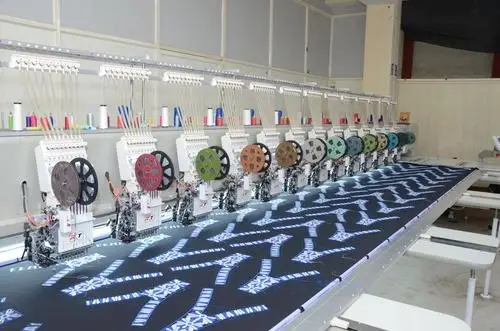
What Is a Sequin Embroidery Machine?
This type of machine is a specialized attachment or built-in mechanism on an embroidery system that feeds and stitches sequins directly onto fabric in a continuous, programmed pattern. Unlike traditional embroidery, which only works with thread, this machinery is designed to handle small, delicate embellishments such as sequins, beads, and sometimes cording, all while maintaining consistent spacing and alignment. The device typically consists of a sequin feeding unit, a needle bar synchronized with the feed, and a control system that follows a digitized design file. Many modern setups now come as a computerized sequin embroidery machine, which allows for far greater precision than manually operated versions used decades ago.
The core idea behind this technology is simple: replace the slow, inconsistent process of hand-applying sequins with a mechanized process that can repeat the same pattern hundreds of times without fatigue or error. This is particularly valuable for businesses that need to fulfill bulk orders without compromising on design accuracy.How Does a Sequin Embroidery Machine Work?
Understanding the working mechanism helps in appreciating why this equipment has become essential for embellishment-heavy production. The process begins with a digitized embroidery design, created using specialized software that maps out exactly where each sequin or bead should be placed. Once this design is loaded into the machine, the sequin feeding unit dispenses individual sequins one at a time, positioning them precisely as the needle stitches them onto the fabric.
Most machines used commercially today function as an automatic sequin embroidery machine, meaning the entire feeding, positioning, and stitching sequence happens without manual intervention once the design is set. Operators mainly need to monitor thread tension, sequin supply, and fabric alignment rather than handle each embellishment individually. This automation is what allows factories and boutique units alike to produce intricate, uniform designs at a scale that would be nearly impossible by hand.Types of Sequin and Bead Embroidery Machines
There are several categories of machines available, each suited to different production needs and design complexities.
Single sequin machines are the most basic type, applying one sequin per stitch cycle in a straight or curved line. Dual or two-sequin machines can alternate between two different sequin sizes or colors within the same design, which opens up more creative possibilities. For businesses working with cording, beads, and sequins together, combination machines integrate multiple attachments so that a single pass can produce layered embellishment effects.
For larger-scale operations, a multi head sequin embroidery machine is often the preferred choice, since it allows several identical pieces to be embroidered simultaneously across multiple heads. This significantly reduces production time when fulfilling orders that require dozens or hundreds of identical embellished panels, such as those used in garment manufacturing.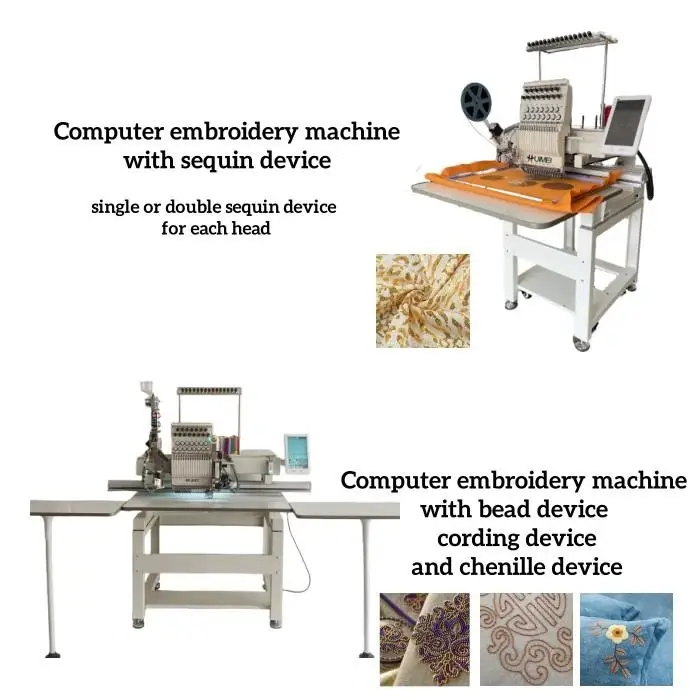
Key Features to Consider
When evaluating machinery, a few features consistently make the biggest difference in day-to-day performance. Stitching speed, usually measured in stitches per minute, directly affects how quickly orders can be completed, and faster machines are generally better suited to commercial production rather than small hobbyist setups. The number of heads and needles determines how many pieces can be worked on at once, which matters greatly for anyone producing a sequin embroidery machine for garments at scale.
Compatibility with design software is another important factor, since the ease of digitizing and editing patterns will influence how quickly new designs can move from concept to finished product. Build quality also deserves attention, as machines that handle beads and sequins undergo more mechanical wear than standard embroidery equipment, given the constant feeding and stitching of solid embellishments. Finally, checking what kind of after-sales support and training the supplier offers can save significant time and frustration once the machine is in regular use.
In short, before finalizing a purchase it helps to check for:
- Stitching speed suited to your production volume
- Number of heads and needles required for your order sizes
- Smooth compatibility with digitizing and design software
- Sturdy build quality for handling beads, sequins, and cording
- Reliable after-sales support, spare parts, and operator training
Benefits of Using a Sequin Embroidery Machine
The advantages of switching from hand embellishment to mechanized production are substantial. Speed is the most obvious benefit, since a single machine can complete in hours what might take a skilled artisan several days by hand. This translates directly into cost savings for businesses working on bulk orders, as labor costs are reduced while output increases.
Consistency is another major advantage. Every sequin is placed with the same spacing and tension, which is difficult to achieve manually across large production runs. For designers and manufacturers, this level of precision opens the door to more complex patterns that would be impractical to replicate by hand across multiple garments. If you are researching equipment options, our guide to choosing embroidery machinery covers additional factors worth comparing before making a purchase decision.