
What to Look for When Buying an Embroidery Machine for Your Business

Table of Contents

Introduction
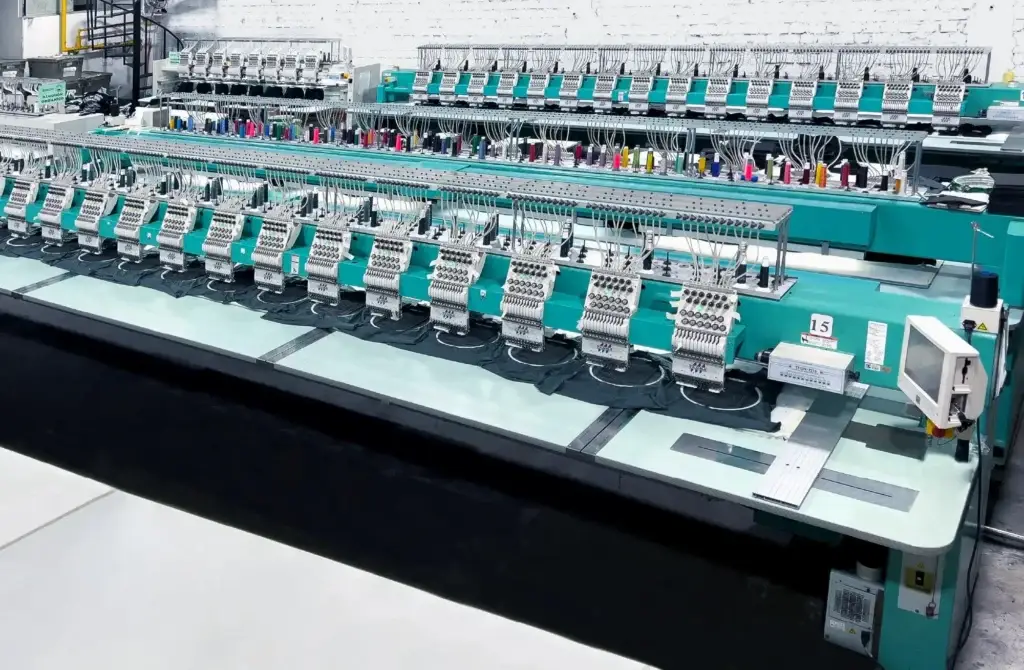
Choosing the right embroidery machine dealer is one of the most important decisions a growing apparel, garment, or custom-merchandise business will make. The machine you invest in today will directly shape your production speed, order capacity, and profit margins for years to come, which is why it pays to slow down and understand exactly what to evaluate before signing a purchase order. In this guide, we’ll walk through the practical factors, from machine specifications to dealer support, that separate a smart investment from a costly mistake. If you’re just starting to explore your options, our guide to computerized embroidery machines is also a useful starting point.
Embroidery Machine for Your Business

Why the Right Embroidery Machine Matters for Business Growth

Every embroidery business, whether it’s a small home-based unit or a full-scale production house, depends on consistent output. A machine that frequently breaks down, runs slower than expected, or can’t handle complex designs will quietly eat into your delivery timelines and client trust. On the other hand, a well-chosen machine scales with you, it lets you take on bulk orders, intricate designs, and tighter deadlines without constantly worrying about downtime. Many businesses underestimate how much a single poor equipment decision can cost in lost orders, repair bills, and rework. This is precisely why working with an experienced embroidery machine dealer or embroidery machine supplier who understands your production goals, rather than just selling a unit, makes such a meaningful difference in the long run.

Key Factors to Consider Before You Buy

Before comparing brands or prices, it helps to get clear on the technical and practical factors that will actually affect your day-to-day production. A knowledgeable embroidery machine dealer will usually walk you through these details before recommending a specific model.

Needles, Heads, and Embroidery Area

The number of needles and heads on a machine determines how many colors you can stitch without manual thread changes and how many pieces you can embroider simultaneously. A single-head machine works well for small businesses handling custom, low-volume orders, while multi-head machines are better suited for bulk production such as uniforms, corporate merchandise, or export orders. Alongside this, pay close attention to the embroidery area or hoop size, since it determines the maximum design dimensions the machine can handle a limitation that’s easy to overlook until you’re mid-order and realize your design simply won’t fit.

Stitching Speed and Software Compatibility
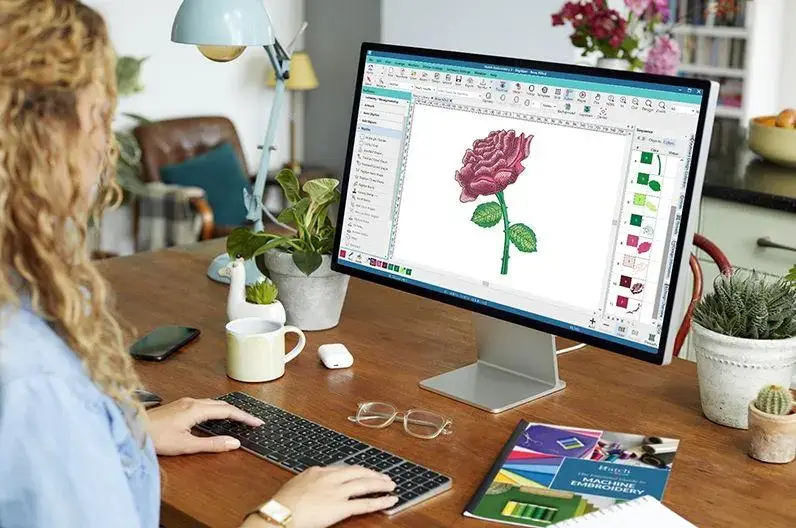
Stitching speed, measured in stitches per minute, directly affects how quickly you can turn around large orders, though higher speed sometimes comes at the cost of finer detail on intricate designs. It’s worth testing a machine at different speeds before committing. Equally important is software compatibility, check whether the machine supports the design file formats you already use, and how easily it integrates with digitizing software. A reputable computerized embroidery machine dealer will usually offer a demo session so you can evaluate both speed and software fit before making a decision.
Design Compatibility & Software

Commercial vs. Industrial Embroidery Machines

Understanding the difference between commercial and industrial embroidery machines can save you from either overspending or under-investing. Commercial machines are generally more compact, easier to operate, and suited to smaller businesses or those just entering bulk production, while industrial machines are built for continuous, high-volume operation with sturdier frames, more heads, and components designed to withstand long working hours. If your business handles occasional bulk orders alongside regular custom work, a mid-range commercial machine might suffice; but if you’re supplying uniforms, corporate branding, or large export orders regularly, it’s worth consulting an industrial embroidery machine supplier who can guide you toward equipment built for that scale of daily wear and tear.

New vs. Used Embroidery Machines

This is one of the most common dilemmas business owners face, and the right answer depends heavily on your budget, production volume, and risk tolerance. Whichever route you choose, working with a reliable embroidery machine dealer makes the process far less risky.

Pros, Cons, and What to Inspect

Used machines can be a practical way to enter the business at a lower upfront cost, especially if you’re testing demand before committing to a full setup. However, they come with risks, worn-out parts, outdated software compatibility, and unclear maintenance history are common issues. If you do consider a used machine, inspect the needle plates, tension discs, and motor condition closely, and always ask for service records. A few things worth checking before purchase:

  • Age of the machine and total stitch count if available
  • History of repairs or replaced parts
  • Availability of spare parts for that specific model
  • Whether the seller offers any post-sale support or warranty

When Buying New Makes More Sense

If your business plans to scale quickly, take on high-volume contracts, or you simply want the reliability of a full manufacturer warranty, buying new is usually the safer long-term choice. New machines also tend to come with updated software, better after-sales training, and stronger dealer support, which matters more than most buyers initially realize once the machine is in daily use.

Evaluating Total Cost of Ownership

The sticker price of an embroidery machine is only part of the real cost. Maintenance, consumables like needles and thread, spare parts, electricity consumption, and occasional technician visits all add up over the machine’s working life. A slightly cheaper machine that requires frequent servicing or expensive proprietary parts can end up costing more than a marginally pricier one with lower running costs and easier part availability. Before finalizing a purchase, ask your embroidery machine dealer for an estimate of annual maintenance costs and check whether consumables are widely available or tied to a single supplier this single question often reveals a lot about the long-term affordability of a machine.

Choosing the Right Embroidery Machine Dealer

The machine itself is only half the equation the embroidery machine dealer you buy from plays an equally significant role in how smoothly your business runs afterward.

Reputation, Warranty, and Service Support

A trustworthy embroidery machine dealer should have a track record you can verify, ask for references from existing customers, check how long they’ve been in business, and look into how responsive they are to service requests. Warranty terms matter too; understand exactly what’s covered, for how long, and whether service technicians are locally available or need to be called in from another city, which can significantly delay repairs. You can browse dealer credentials and support options on our dealer support page to get a sense of what a reliable partnership should look like.

Training, Spare Parts, and Local Availability

Good dealers don’t just deliver the machine and leave, they train your staff on operation and basic troubleshooting, and they maintain a stock of spare parts so you’re not left waiting weeks for a replacement component. Before finalizing, ask how quickly they can source parts for your specific model and whether they offer any onboarding or refresher training. This is often what separates a one-time transaction from a long-term relationship with a dependable embroidery machine distributor who genuinely supports your business as it grows.

Questions to Ask Before Finalizing Your Purchase

Once you’ve narrowed down your options, a short checklist conversation with your embroidery machine dealer can save you from surprises later. Consider asking:

  • What’s the average lifespan of this machine under regular business use?
  • What does the warranty cover, and what voids it?
  • How quickly can spare parts be sourced locally?
  • Can I see a live demo with my own design files before purchasing?
  • What ongoing support or training is included after purchase?

These questions won’t just help you compare machines, they’ll also reveal how transparent and reliable a particular textile embroidery machinery dealer is likely to be as a long-term partner.

Common Mistakes Businesses Make When Buying Embroidery Machines

Many first-time buyers focus entirely on price and end up overlooking factors that matter more in daily operation. A common mistake is buying a machine with more heads or capacity than the business actually needs, tying up capital that could have gone into marketing or working capital instead. Others skip a live demo entirely and rely only on brochures or online specifications, only to discover later that the machine struggles with their specific fabric types or design complexity. Another frequent oversight is not clarifying after-sales support upfront with the embroidery machine dealer, by the time a machine breaks down mid-order, it’s too late to negotiate service terms. Taking the time to test, ask detailed questions, and verify a dealer’s support structure before purchase almost always prevents these costly missteps.

Conclusion

Buying an embroidery machine for your business isn’t just about comparing specifications on a brochure, it’s about matching the machine, and the embroidery machine dealer behind it, to how your business actually operates and where it’s headed. From needle count and stitching speed to total cost of ownership and after-sales support, every factor covered here plays a role in how smoothly your production runs. Take your time, ask the right questions, and choose a dependable partner who treats your purchase as the start of a working relationship, not just a one-time sale. If you’d like personalized guidance on choosing the right machine for your business, feel free to reach out to the team at Hongstar they’re happy to help you find the right fit.
Scroll to Top