
Single Head vs Multi Head Embroidery Machine: Which One Do You Need?

Table of Contents

Introduction
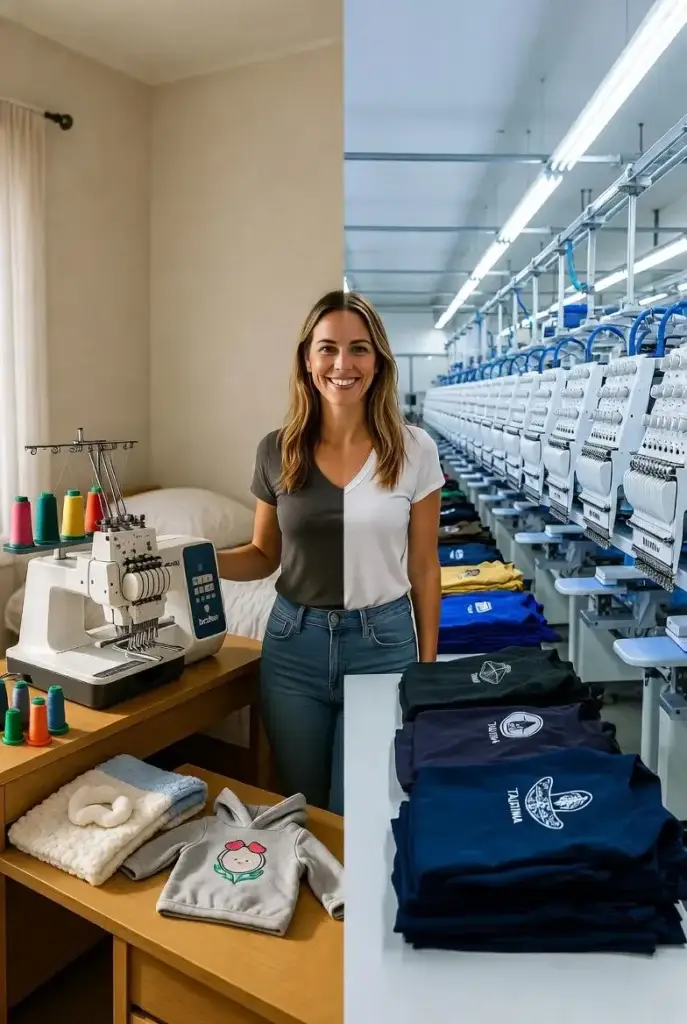
Choosing embroidery equipment is one of the first big decisions any garment decorator, uniform supplier, or apparel startup has to make, and the debate almost always comes down to Single Head vs Multi Head Embroidery Machine. If you are working with an experienced equipment manufacturer, this choice affects everything from your daily output to your long-term profitability. This blog breaks down how each machine works, where it fits best, and how to decide which one matches your business stage. Before we get into specifications, check out our guide to choosing your first embroidery setup if you are just starting out.
Single Head vs Multi Head Embroidery Machine

What Is a Single Head Embroidery Machine?

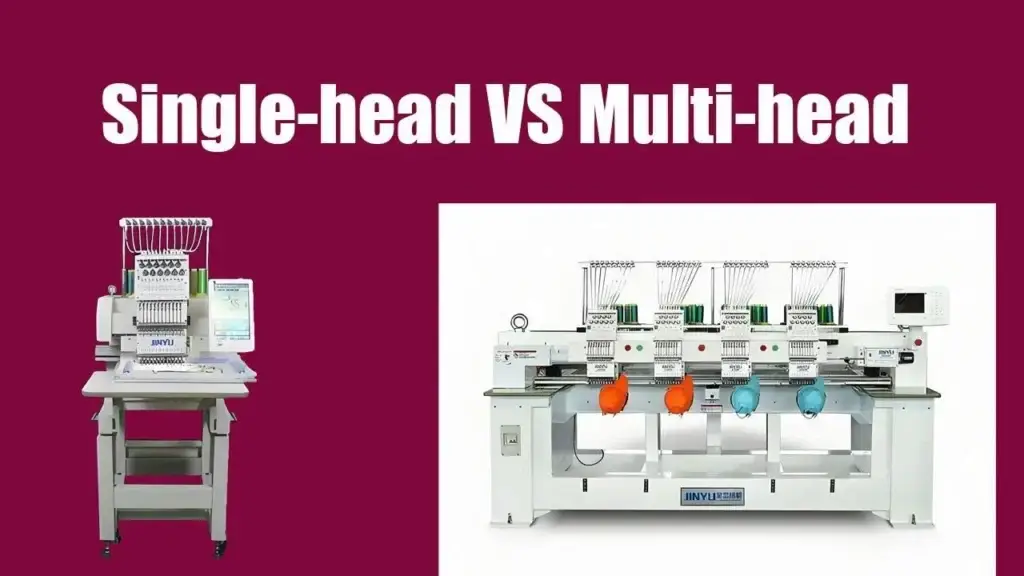
A Single Head Embroidery Machine is exactly what the name suggests a machine built around one embroidery head that stitches a single design on a single garment at a time. It typically comes with multiple needles (anywhere from 6 to 15) so it can switch thread colors automatically within one design, but it can only work on one piece of fabric per cycle. This makes it the go-to choice for home-based embroiderers, small boutique studios, and anyone who is testing the embroidery business before committing to a bigger setup. Most first-time buyers also appreciate that a good equipment manufacturer offers single head models across a wide price range, so there is usually an entry point regardless of budget.

Because it only handles one garment at a time, a Single Head Embroidery Machine is naturally suited to custom, one-off, or small-batch orders, think personalized gifts, monogrammed apparel, or short-run promotional items. Operators also find it easier to learn on a single head machine since there is only one set of needles and one hooping area to manage, which shortens the training curve considerably. Many small businesses start here specifically because a reputable equipment manufacturer can offer these machines at a fraction of the cost of commercial-grade multi-head systems.

What Is a Multi Head Embroidery Machine?

A Multi Head Embroidery Machine, on the other hand, is designed for volume. It has several embroidery heads commonly 4, 6, 8, or even 12 arranged side by side, allowing the same design to be stitched onto multiple garments simultaneously in a single run. This dramatically increases output, which is why nearly every commercial embroidery house, uniform manufacturer, and merchandise production unit relies on this configuration.

Because a Multi Head Embroidery Machine produces identical designs across all heads at once, it is best suited for bulk orders such as team jerseys, corporate uniforms, school apparel, and promotional merchandise where the same logo needs to appear on dozens or hundreds of pieces. The tradeoff is a higher upfront investment, a larger footprint, and a steeper learning curve for operators, but the productivity gains usually justify the cost for businesses with consistent order volume. It is worth noting that not every equipment manufacturer builds multi head machines to the same standard, so checking build quality and warranty terms before buying is essential. When sourcing this kind of machine, working with an established equipment manufacturer matters even more, since after-sales support and spare parts availability directly affect your uptime.

Single Head vs Multi Head Embroidery Machine: Key Differences

At a glance, here is how the two options stack up before we dig into the details:

  • Output per cycle: One garment (single head) vs. multiple identical garments (multi head)
  • Best for: Custom, low-volume orders vs. bulk, repeat-design orders
  • Upfront cost: Lower vs. significantly higher
  • Space needed: Small footprint vs. a larger production floor
  • Learning curve: Easier for beginners vs. requires a more skilled operator
Single Head vs Multi Head – Key Differences

Production Speed & Cost of Investment

The most obvious difference in any Single vs Multi Head Embroidery Machine comparison is speed. A single head machine completes one garment per cycle, so output is limited by how many hours you can run the machine and how quickly you can hoop and unhoop fabric. A multi head machine multiplies that output by the number of heads it has, which is why commercial operations can fulfill bulk orders in a fraction of the time. Naturally, this speed comes at a price multi head machines cost significantly more upfront, so the decision often comes down to whether your order volume justifies the investment. A trustworthy equipment manufacturer will usually walk you through the return-on-investment timeline based on your expected monthly order volume before you commit to either option.

Space, Maintenance & Design Flexibility

Space requirements scale with the number of heads, so a multi head embroidery machine needs a considerably larger production floor compared to a compact single head unit that can fit in a small studio or even a spare room. Maintenance follows a similar pattern more heads mean more needles, tensioners, and moving parts to service regularly, so multi head machines generally demand a more disciplined maintenance schedule and a slightly higher operating budget. On the flip side, single head machines offer more design flexibility per run since you can change the artwork for every single piece without affecting other garments, which is ideal for businesses that specialize in customization rather than repetition.

Pros and Cons of Each Machine Type

Single Head: Advantages & Limitations

The biggest advantage of a Single Head Embroidery Machine is affordability combined with flexibility. It is easier to operate, cheaper to maintain, and perfectly capable of producing professional-quality embroidery for custom and small-batch work. However, its limitation is throughput, if your business grows into bulk orders, a single head machine simply cannot keep pace, and you will eventually need to either add more machines or upgrade entirely.

Multi Head: Advantages & Limitations

A Multi Head Embroidery Machine’s biggest strength is production capacity, letting businesses fulfill large orders quickly and consistently, which is essential for uniform manufacturers and merchandise suppliers working on tight deadlines. The limitations are cost, space, and complexity, a multi head setup requires a larger initial investment, more floor space, and a more skilled operator to run efficiently, which can be a barrier for newer businesses still finding their footing.

Expert Tips & Common Mistakes to Avoid

Maintenance & Fabric Best Practices

Regardless of which machine you choose, thread tension and needle quality make a noticeable difference in stitch consistency, so it is worth learning how your specific fabric types behave under the needle. Cleaning the bobbin case and checking hoop alignment before every major run prevents most common stitching errors and saves hours of rework. Operators who have run both single and multi head setups for years consistently point out that quality issues usually trace back to skipped maintenance rather than the machine itself.

Mistakes That Lead to Wrong Machine Choice

One common mistake is underestimating future order volume and buying a machine that fits today’s needs but not next year’s growth, which often forces an expensive early upgrade. Another frequent misstep is ignoring the total cost of ownership factoring in only the purchase price while overlooking maintenance, thread consumption, and power requirements. Some buyers also overlook space and electrical load requirements until installation day, so it always pays to confirm these details with your chosen equipment manufacturer well before the machine arrives. A dependable equipment manufacturer will help you plan for these logistics in advance.

Conclusion

At the end of the day, the Single Head vs Multi Head Embroidery Machine decision comes down to your current order volume, growth plans, and available budget rather than which machine is objectively better. A single head machine rewards flexibility and low-cost entry, while a multi head machine rewards speed and volume at a higher investment. Whichever direction you choose, partnering with a reliable equipment manufacturer ensures you get the right guidance, genuine after-sales support, and equipment that actually matches how your business operates day to day. If you are ready to explore your options, reach out to the team at Hong Star, we would be glad to help you find the embroidery machine that fits where your business is headed.
Scroll to Top