Table of Contents
Introduction
Understanding Your Factory's Embroidery Needs
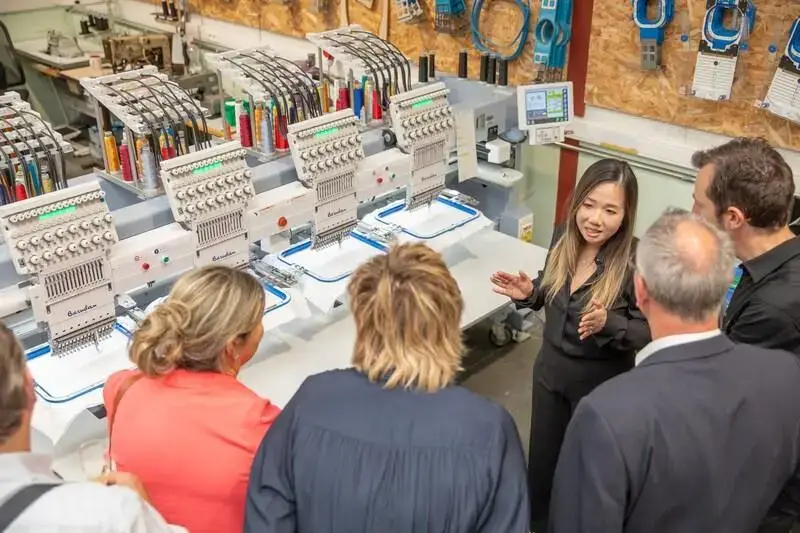
Before comparing models or brands, it helps to sit down and honestly map out what your factory actually needs. Start with your production volume. A boutique unit fulfilling small custom orders has very different requirements than a large-scale export factory running multiple shifts. If your order books are growing month on month, it makes sense to plan for a machine that can scale rather than one that meets only today’s demand.
Next, think about what you are producing. Apparel, cap and headwear, patches, and home textile embroidery all place different demands on stitching area, frame type, and needle configuration. Fabric type matters too stretch fabrics, denim, leather, and delicate synthetics all behave differently under the needle. Finally, consider whether you primarily produce in-house or also take on contract and job-work orders, since job-work factories often need more flexible, quick-changeover setups.
Types of Embroidery Machines for Factories
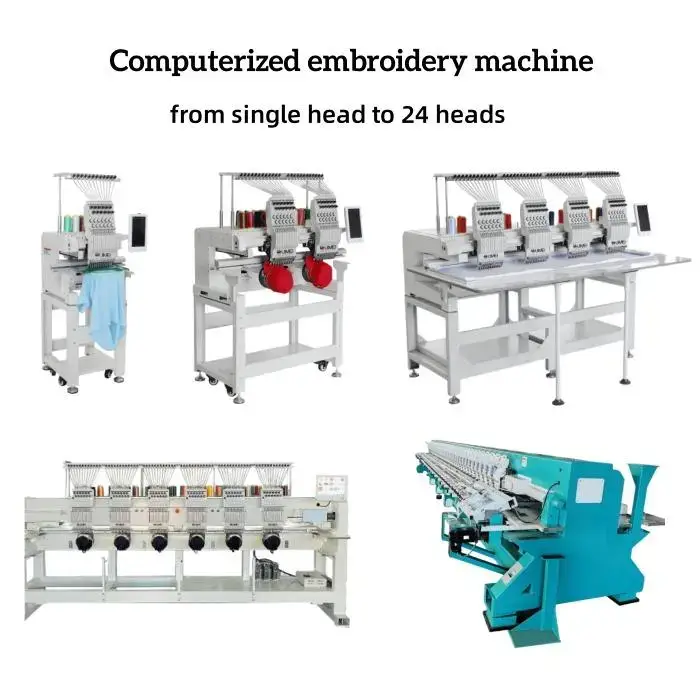
Single-Head vs. Multi-Head Machines
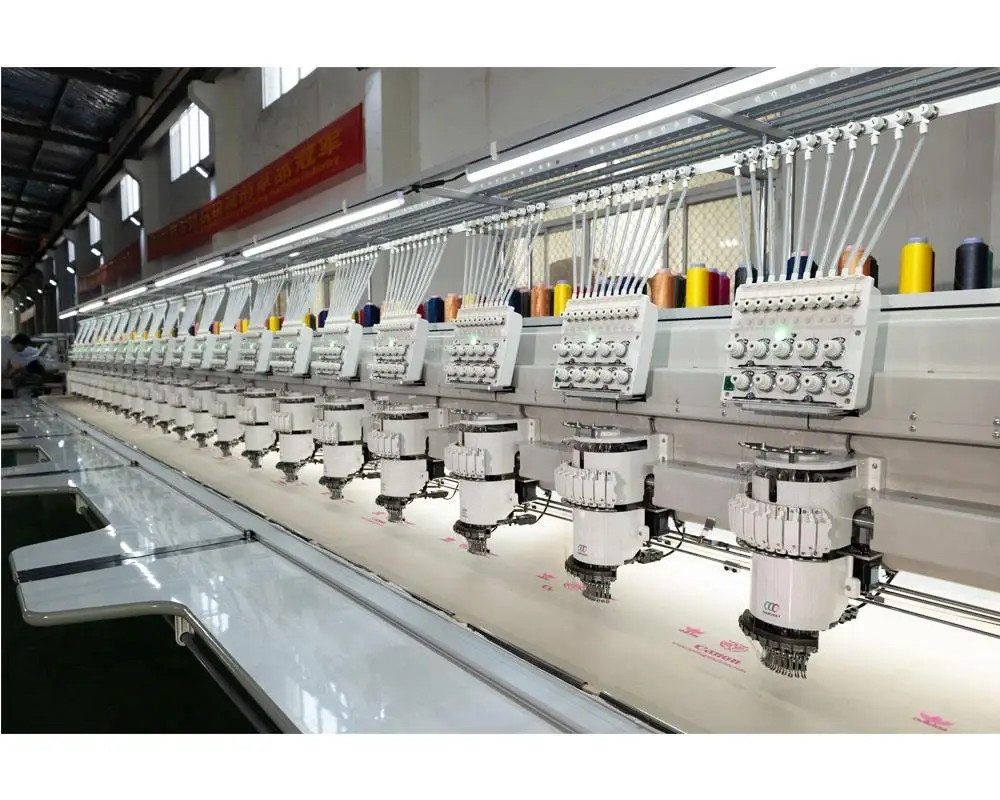
Flat-Bed, Cap, and Specialty Machines
Key Technical Specifications to Evaluate
Needles, Heads, and Embroidery Field Size
Speed, Auto-Trimming, and Software Compatibility
Brand, Support, and Warranty Considerations
Budget Planning: Cost vs. Long-Term Value
Automation, Space & Infrastructure Requirements
Automation and Technology Features
Space, Power, and Layout Requirements
Operator Training and Common Buying Mistakes
Checklist: Questions to Ask Before You Buy
- What is our realistic monthly production volume, and does this machine comfortably support it?
- Does the embroidery field size match our largest recurring design requirements?
- What is the average response time for repairs and spare parts in our region?
- Does the machine integrate with our existing design software and production workflow?
- What does the total cost of ownership look like over three to five years, not just the upfront price?