
Table of Contents
Introduction
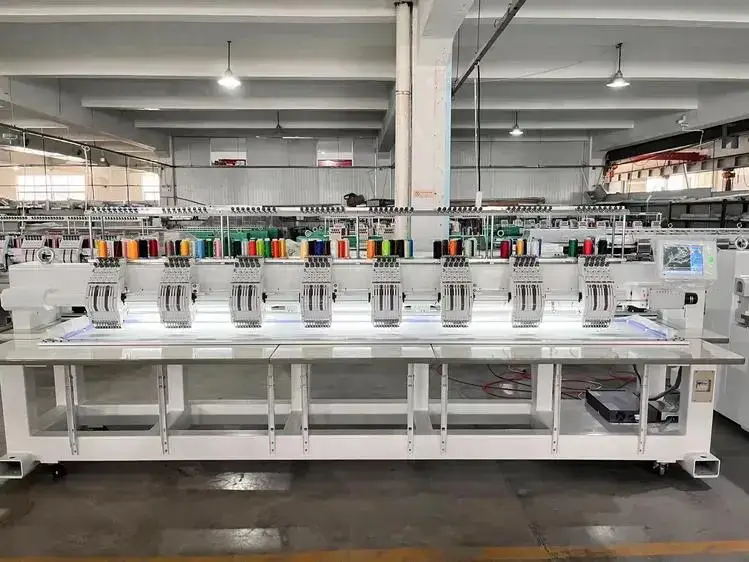
Every few weeks, a unit owner walks into a showroom in Surat and asks just one thing. “Bhai, rate kya hai?” Fair question. Wrong starting point. A textile embroidery machine can cost expensive, and the figure on a quote means very little until you know the heads, needles, speed and service behind it. If you are still weighing a multi head embroidery machine against something smaller, read on. This guide may save you from a few costly mistakes.
We wrote it for owners, not engineers. So expect plain talk, a few stories from the factory floor, and honest numbers. No sales pitch. The prices below are indicative market ranges, and they shift with brand, configuration and exchange rates. Always take a written quote before you decide.
What Are You Really Paying For?
How an embroidery machine works, in plain words
Single head or multi head?
Where these machines earn their keep
Textile Embroidery Machine Price in India: The Real Range
Computerized Embroidery Machine Price in India, by Type
Embroidery Machine Price in Surat: Why the City Matters
Why two similar machines differ by lakhs
New vs Industrial Machines: What Is the Real Difference?
Entry-level new versus industrial build
Software, sensors and accuracy

Should You Buy a Second-Hand Machine?
Sometimes, yes. If the budget is tight and you can inspect the machine properly, a used one can work. The risks are worn heads, outdated controllers, missing spare parts and zero warranty. Before paying anything, run through this short checklist.
- Ask for a full-speed test run of at least thirty minutes.
- Stitch a test piece on your own fabric and check the finish.
- Listen for bearing noise and check needle bars and hooks for wear.
- Confirm that spare parts and controller support still exist.
- Get a proper invoice and ownership papers.
How to Choose the Right Machine for Your Unit
Start with orders, not with heads
Match the machine to the work
Fabric and design style decide a lot. If you serve saree manufacturers or ethnic wear brands, you will probably want sequin and cording options. A shiny, high-volume job usually points to a sequence embroidery machine. Caps, flat garments and tubular items each need different frames and attachments, so list your top three jobs before you talk to any dealer.
Floor space, power and manpower
A multi head machine needs room to breathe, steady three-phase or stabilized power, and at least one trained operator per shift. Starting small? A small factory setup with one or two machines is far easier to manage than most people think, and you can add heads as orders grow.
A simple ROI picture
Here is an illustration, not a promise. Suppose a machine costs ₹10 lakh and adds ₹60,000 of net margin every month after thread, power and labour. Payback comes in roughly seventeen months. Real numbers depend on your job rates and how many hours the machine truly runs. For bigger floors, it helps to see how a large production setup is planned before you commit to a head count.
Financing Options for Indian Buyers
How to Pick a Supplier You Can Trust
Final Thoughts
Choosing a textile embroidery machine is less about the lowest rate and more about the right fit. Know your orders, compare the same configuration across quotes, count the hidden costs, and test the service before you trust the sales talk. Do that, and the price stops feeling scary. It starts feeling like an investment. Ready to compare configurations, see a live demo or get a setup plan for your unit? Talk to the team at Hongstar and get a clear, written quote without the guesswork.