
Table of Contents
Introduction
Walk into any bridal showroom today and you will notice how much of the appeal comes from raised, textured detailing. That demand has pushed many workshop owners to ask whether a cording embroidery machine deserves a place in their setup, especially when they already run computerized embroidery machines and want to move into higher-value work.
This guide comes from the practical side of the industry and from the questions embroidery owners usually raise before investing in new equipment. It explains how cording works, where it earns its place, and where it may not suit your business yet.
What Is a Cording Embroidery Machine?
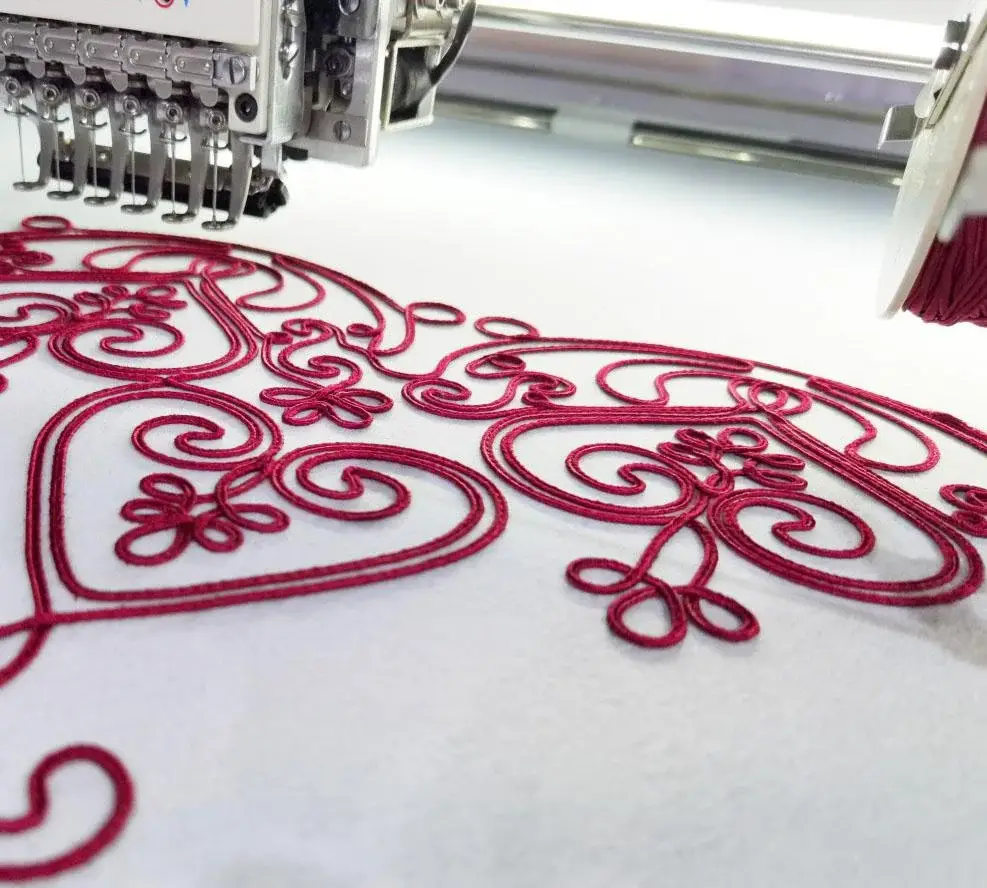
A cording embroidery machine is built to lay a decorative cord, braid or thick yarn onto fabric in a controlled pattern while stitching it down as it moves. The result is a raised, rope-like line that gives a design depth and a handcrafted look that flat satin or fill stitches cannot match.
Standard computerized embroidery builds a design from thousands of small thread stitches. Cording adds a physical element, the cord itself, which sits on top of the fabric and becomes part of the design. That is why cording is often chosen for borders, outlines and floral motifs that need a sculpted finish. It is also different from chain stitch machines, which create a looped, hand-crochet effect with thread, and from sequin or taping attachments, which add shine or flat ribbon-like lines rather than a rounded cord.How Does Cording Embroidery Work?
In a computerized cording embroidery machine, the design file tells the machine where to guide the cord and where to place each holding stitch. A feeding unit pushes the cord forward, the needle fixes it to the fabric at regular intervals, and the cord direction changes smoothly as the pattern curves. Good digitizing matters here, because sharp turns and tight curves need to be planned so the cord lies flat and does not twist.
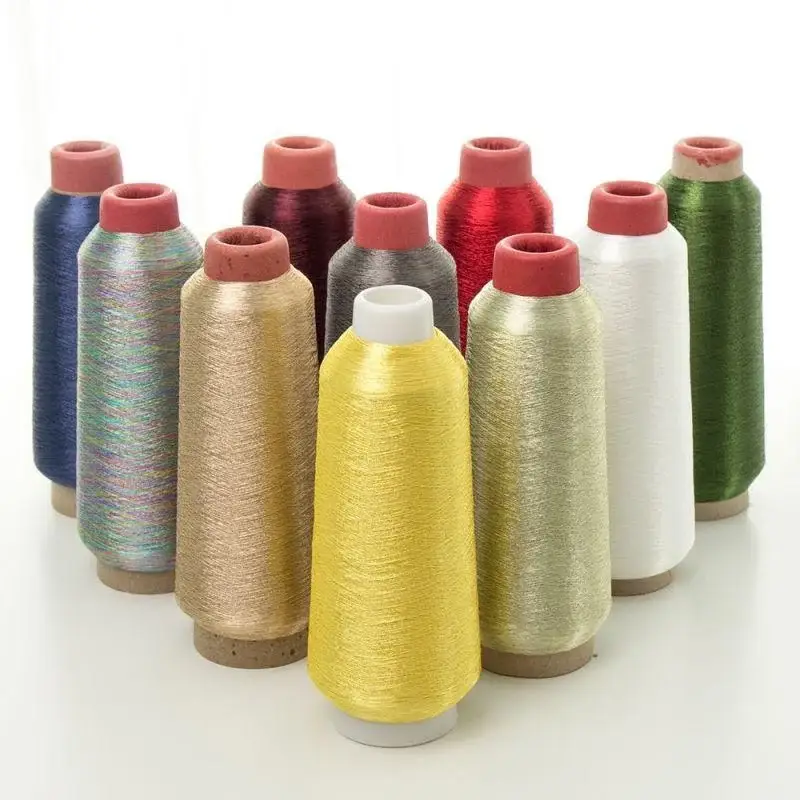
The cords themselves vary quite a bit. Cotton, polyester, metallic and zari-style cords are common, and each behaves differently in thickness, stiffness and shine. Most industrial cording machine setups are offered in single-head or multi-head formats, and some combine cording with other attachments. The right cording embroidery equipment depends on how much volume you handle and how varied your designs are.What Can You Create with Cording Embroidery?
Fashion and Bridal Wear
Home Decor, Accessories and Patches
Key Benefits of Adding a Cording Machine to Your Business
A cording embroidery machine can move your product range toward premium, higher-margin work. Textured designs are harder to copy with flat embroidery, so they help you stand apart from competitors who offer only standard stitching.
Speed is another advantage. Hand cording is slow and depends on skilled artisans who are not always easy to find or retain. A machine produces consistent lines across hundreds of pieces, which matters for bulk orders and export work where matching quality is expected. It also reduces your dependence on a few skilled workers, though trained operators are still important.Limitations and Challenges to Consider
Cording equipment is a significant investment, and it needs floor space, a stable power supply and a clean working area. Beyond the purchase itself, you should plan for cords, spare parts and operator training.
There is a learning curve too. Digitizing for cording is different from digitizing for regular embroidery, and beginners often struggle with cord tension, turning angles and fabric stability. Very fine or stretchy fabrics can pucker under the cord, and extremely intricate designs may not translate well into a corded line. Finally, spare parts and technical support differ from one brand to another, so ask about them before you commit rather than after the first breakdown.Is a Cording Embroidery Machine Right for Your Business?
Who Should Invest
Who Should Wait
Understanding the Cost and ROI
Machine Price and Running Costs
How to Estimate Your ROI
What to Look for When Choosing a Cording Embroidery Machine
A reliable cording embroidery machine supplier should be willing to run a live demonstration on your own fabric and design, not just a showroom sample. This is the best way to judge stitch quality, cord handling and noise levels. Pay attention to software compatibility as well, since you want the machine to accept the file formats your designers already use.
Training and after-sales service matter as much as the machine, so check whether the supplier offers installation, operator training and quick access to spare parts. If you plan to grow, look at multi-head embroidery machines and ask whether the cording unit can scale with you. When you compare options, keep these points in mind:
- Demo on your own fabric and design
- Availability of spare parts and service support
- Training for operators and digitizers
- Clear warranty terms and delivery timelines
Tips for Getting Started
Begin with a trial run or demo so you can see real results before you commit. Once the machine arrives, invest time in training your operators and digitizers, because most early problems come from handling and design settings rather than the machine itself. Keep a basic maintenance routine of cleaning, oiling and checking tension, and keep spare needles and common parts in stock.
Common beginner mistakes include using cords that do not suit the fabric, skipping test samples, overloading designs with too many sharp turns and delaying routine servicing. Start with simple borders and outlines, build confidence, and then move on to more complex layouts.Final Thoughts
Choosing a cording embroidery machine comes down to demand, readiness and long-term plans. If customers already ask for raised designs, you have the space and people to run it and you are comfortable planning for maintenance, it can become a valuable part of your business. If not, building demand first is a sensible step.If you want to explore options, compare specifications or see the machine working on your own fabric, you can connect with the team at Hongstar for guidance and a demo.