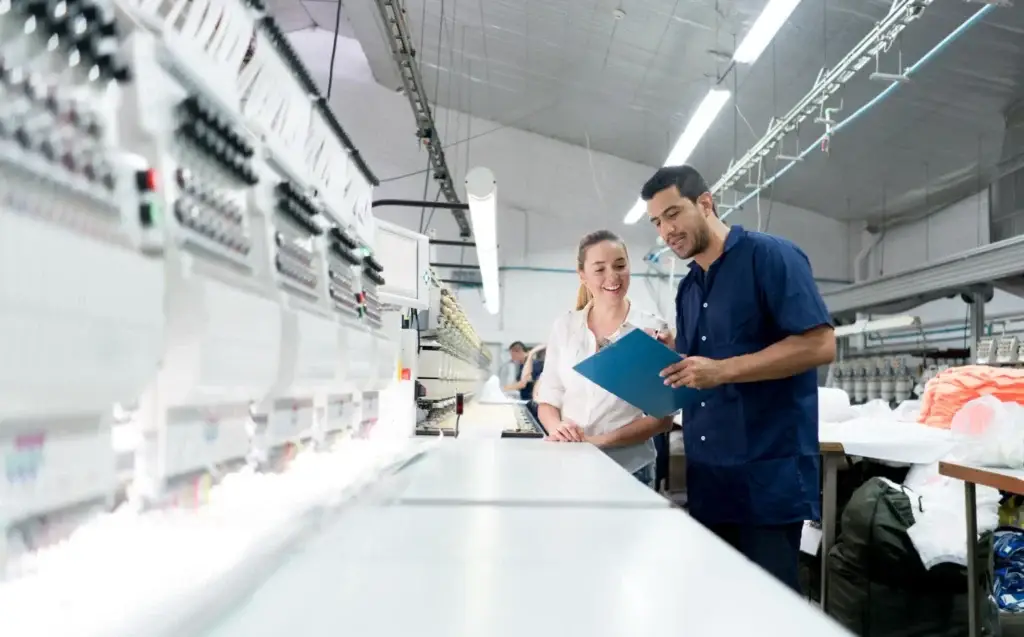
Textile Embroidery Machine Price in India, New & Industrial Machines Compared

Table of Contents

Introduction

Every few weeks, a unit owner walks into a showroom in Surat and asks just one thing. “Bhai, rate kya hai?” Fair question. Wrong starting point. A textile embroidery machine can cost expensive, and the figure on a quote means very little until you know the heads, needles, speed and service behind it. If you are still weighing a multi head embroidery machine against something smaller, read on. This guide may save you from a few costly mistakes.

We wrote it for owners, not engineers. So expect plain talk, a few stories from the factory floor, and honest numbers. No sales pitch. The prices below are indicative market ranges, and they shift with brand, configuration and exchange rates. Always take a written quote before you decide.
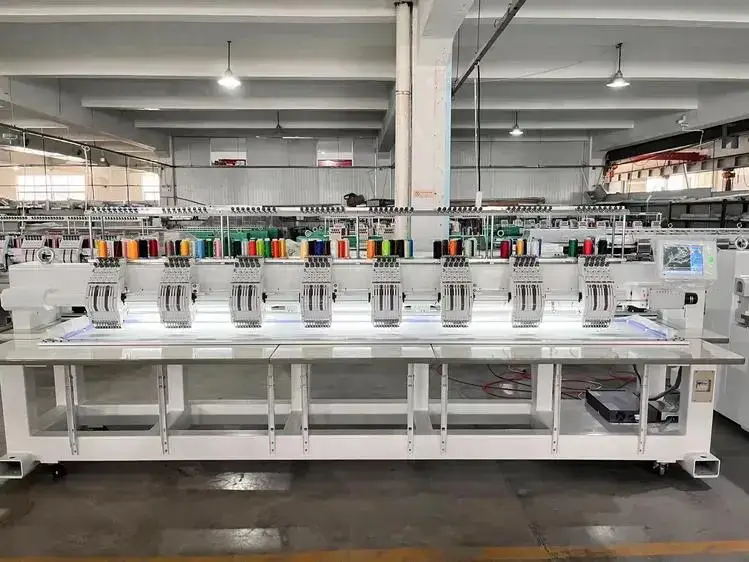
Textile Embroidery Machine Price in India

What Are You Really Paying For?

How an embroidery machine works, in plain words

A computerized machine reads a digital design file and moves the fabric frame under the needles with tiny, exact steps. Each needle carries a different thread colour. The controller picks the colour, the motor sets the speed, and the machine stitches. The operator mostly watches, fixes a thread break now and then, and loads the next piece. Simple idea. Complicated engineering.

Single head or multi head?

A single head machine stitches one piece at a time. It suits samples, small orders and caps. A multi head setup stitches the same design on many pieces together, so output multiplies. Two heads, six heads, twenty heads. More heads mean more output, and yes, more money too.

Where these machines earn their keep

Sarees, kurtis, bridal wear, uniforms, curtains, laces, borders and export garments. Every segment needs a slightly different setup, and that is exactly why one price list never fits everybody.

Textile Embroidery Machine Price in India: The Real Range

Search habits are funny. People type “price textile embroidery machine” into Google, land on a dealer page, and find “Get Best Price” where the number should be. Frustrating. So here is a rough picture. Published guides and dealer listings suggest a small single head computerized machine sits around ₹1.5 to ₹3 lakh. Multi-needle single head models run closer to ₹5 lakh. Standard multi head machines commonly fall between ₹5 and ₹15 lakh, while large, high head count or sequin-equipped setups from premium brands can touch ₹30 lakh or more. Treat these figures as a compass, not a price list.

Computerized Embroidery Machine Price in India, by Type

A flat multi head machine is the volume workhorse. Cording, chenille, sequin and beads attachments add cost because each device is its own mechanism. Laser cutting adds more. So when you compare computerized embroidery machine price in India across dealers, compare the same configuration: heads, needles, embroidery field, devices and software. Otherwise you are comparing a bullock cart with a tempo.

Embroidery Machine Price in Surat: Why the City Matters

Surat is the hub. Big market, many dealers, spare parts close by, and engineers who can reach your unit the same day. Because of volume and local stock, embroidery machine price in Surat is often competitive. But the cheapest quote is not always the cheapest machine. If your unit is outside the city, add freight, installation travel and a realistic service plan to the total.

Why two similar machines differ by lakhs

Brand, motor quality, head construction, controller, needle count, field size, warranty and origin all play a part. An Indian-assembled model and an imported Japanese one can look identical in photos. Inside, they are different animals. And so is the invoice.

New vs Industrial Machines: What Is the Real Difference?

The words get mixed up all the time. “New” simply means unused and fresh from the manufacturer. “Industrial” describes how hard the machine is built to work. A machine can be both, and that is what most serious buyers are really comparing.

Entry-level new versus industrial build

A new textile embroidery machine in the entry class suits a startup running eight-hour days on lighter orders. It costs less, and for many first-time owners that is the right call. An industrial textile embroidery machine is built for long shifts, sometimes sixteen to twenty hours. It has heavier frames, stronger heads and steadier speed, commonly somewhere around 800 to 1,200 stitches per minute depending on the work. It costs more upfront. It also loses less time to breakdowns. Which one wins? Depends on how many hours you will actually run it.

Software, sensors and accuracy

Look beyond speed. Thread-break detection, automatic thread trimming, a clear control panel and memory for many designs save hours every month. A cheaper machine without them is not really cheaper. Your operators will pay for the missing features with their time.
Right Machine for Your Unit

Should You Buy a Second-Hand Machine?

Sometimes, yes. If the budget is tight and you can inspect the machine properly, a used one can work. The risks are worn heads, outdated controllers, missing spare parts and zero warranty. Before paying anything, run through this short checklist.

  • Ask for a full-speed test run of at least thirty minutes.
  • Stitch a test piece on your own fabric and check the finish.
  • Listen for bearing noise and check needle bars and hooks for wear.
  • Confirm that spare parts and controller support still exist.
  • Get a proper invoice and ownership papers.
If the seller refuses a test run, walk away. No discount is worth that doubt.

How to Choose the Right Machine for Your Unit

Start with orders, not with heads

Meet Ramesh. He is not a real client, but his story is one we hear almost every week. Ramesh saw his neighbour install a twelve-head machine and decided to match it. Within a few months, orders filled only four heads. Eight sat idle. The EMI did not care. The lesson is simple and a little painful: size the machine to the orders you already have, plus a modest cushion for growth. Not to your neighbour’s floor.

Match the machine to the work

Fabric and design style decide a lot. If you serve saree manufacturers or ethnic wear brands, you will probably want sequin and cording options. A shiny, high-volume job usually points to a sequence embroidery machine. Caps, flat garments and tubular items each need different frames and attachments, so list your top three jobs before you talk to any dealer.

Floor space, power and manpower

A multi head machine needs room to breathe, steady three-phase or stabilized power, and at least one trained operator per shift. Starting small? A small factory setup with one or two machines is far easier to manage than most people think, and you can add heads as orders grow.

A simple ROI picture

Here is an illustration, not a promise. Suppose a machine costs ₹10 lakh and adds ₹60,000 of net margin every month after thread, power and labour. Payback comes in roughly seventeen months. Real numbers depend on your job rates and how many hours the machine truly runs. For bigger floors, it helps to see how a large production setup is planned before you commit to a head count.

Financing Options for Indian Buyers

Most buyers do not pay in one go. MSME loans and machinery finance from banks and NBFCs are common, and leasing can ease cash flow if you prefer lower upfront cost. If you plan to buy textile embroidery machine units on finance, compare processing fees, margin money and the monthly instalment against your expected monthly margin, not against your hopes. Government textile schemes and capital subsidies do exist, but they change often. Check the latest status with the Ministry of Textiles or your state textile department before you build a plan around any subsidy.

How to Pick a Supplier You Can Trust

Ask for a live demo on your own fabric. Visit a unit that already runs the same model. Get warranty terms in writing, and ask how fast an engineer reaches you after a breakdown call. Red flags are easy to spot: vague quotes, no local service team, and pressure to pay the full amount in advance. A good textile embroidery machine is only half the story. Service is the other half, and it is the half you feel every single month.

Final Thoughts

Choosing a textile embroidery machine is less about the lowest rate and more about the right fit. Know your orders, compare the same configuration across quotes, count the hidden costs, and test the service before you trust the sales talk. Do that, and the price stops feeling scary. It starts feeling like an investment. Ready to compare configurations, see a live demo or get a setup plan for your unit? Talk to the team at Hongstar and get a clear, written quote without the guesswork.

Scroll to Top